Architecture3 min read
A station for the sky
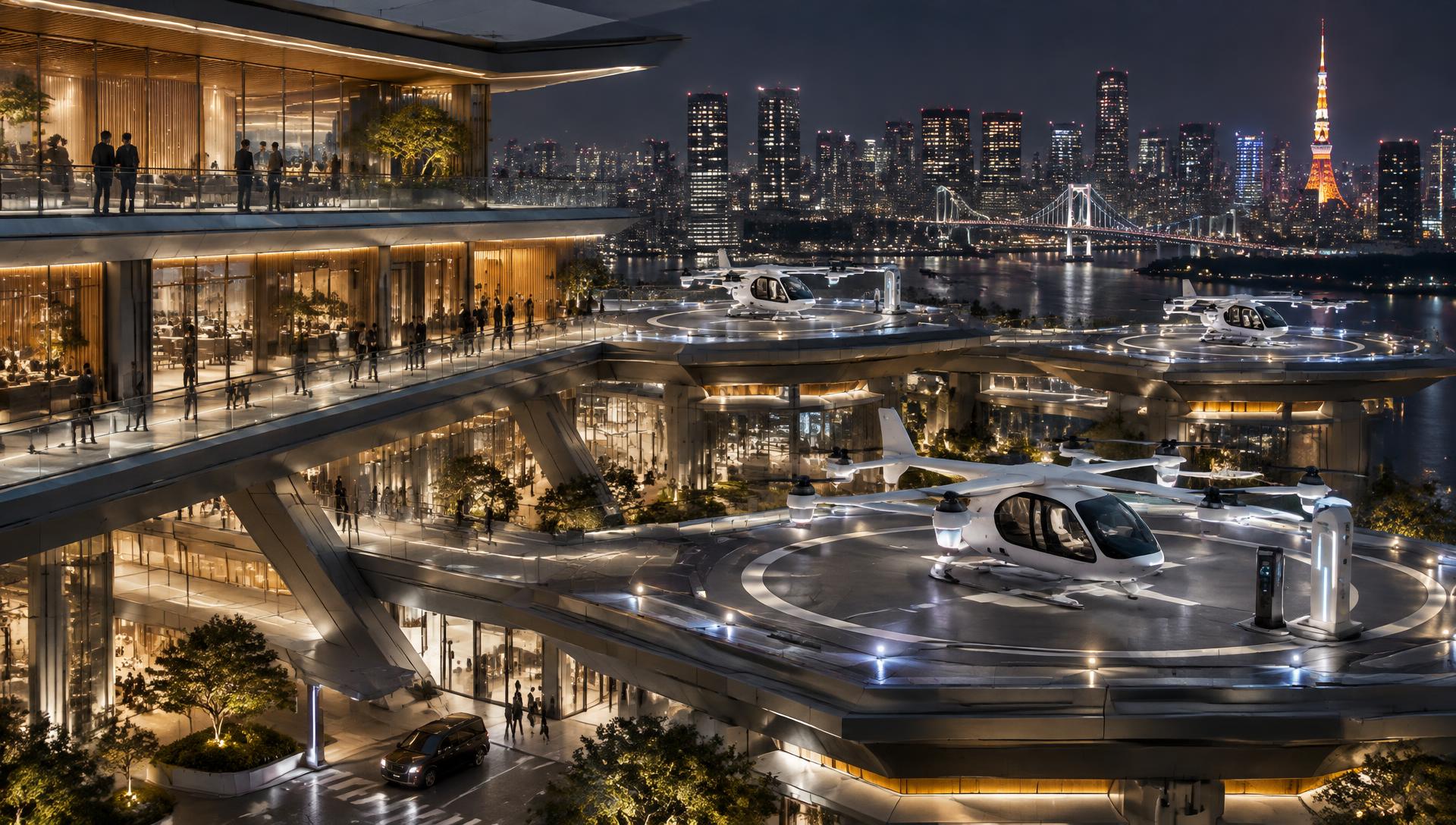
What if a rooftop connection felt as familiar as stepping onto a railway platform?
Read articleHotels & vertiports · 5 min read
A proposed Wynn resort vertiport and an Ise-Shima feasibility study reveal how hospitality is exploring eVTOL connections—and what remains unproven.
VERTISTATION.TOKYO Editorial
Sources reviewed
Share article
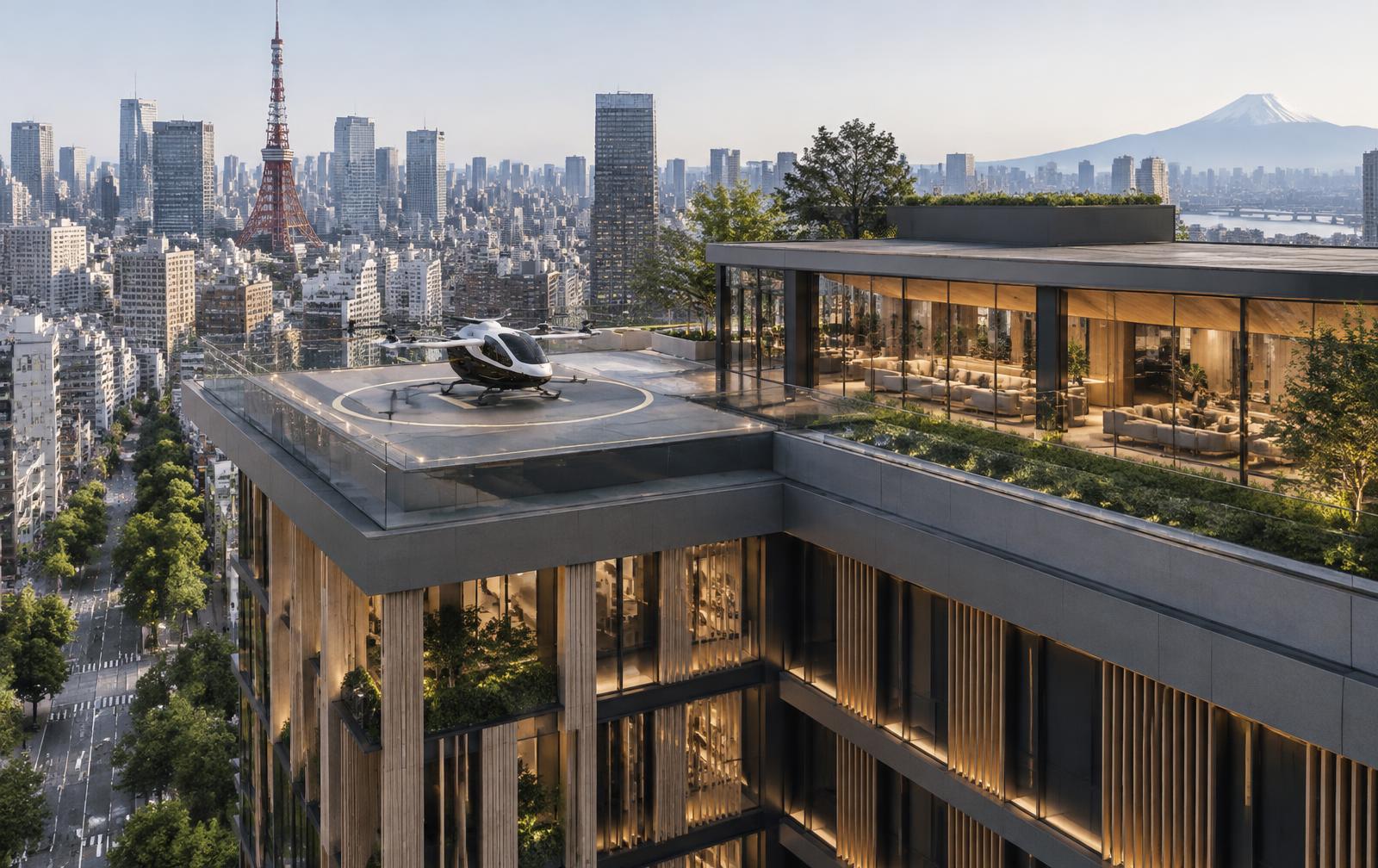
A hotel rooftop vertiport is a potential take-off and landing facility for electric vertical take-off and landing aircraft (eVTOLs), integrated with a hotel or resort. A roof, an existing helipad or an attractive rendering is not enough: the aircraft, site, building and operation need separate assessment and the relevant permissions.
“Vertihub” is sometimes used to describe a larger passenger or network hub. The label does not establish approval or capacity. For hotel owners, the important question is whether a safe, commercially credible aviation connection can work at the particular property.
Skyports’ Ras Al Khaimah network page says a planned vertiport will be integrated within the new Wynn Al Marjan Island resort. The page describes an initial four-vertiport network and anticipated commercial operations in 2027. This is a concrete hospitality-linked proposal, attributed to the infrastructure developer.
The source does not establish that the facility is on a hotel rooftop, has received all operating approvals or is open to passengers. A resort-integrated vertiport and a rooftop vertiport are not interchangeable claims. The 2027 date is a target, not a confirmed booking opportunity.
On 3 August 2026, Skyports announced its appointment by Mitsui Fudosan and Ise-Shima Resort Management to support a Mie Prefecture-backed feasibility study. The study considers demand, potential routes, candidate landing sites, charging and connections with existing transport across a possible network centred on Ise-Shima.
This is evidence that hospitality-linked organisations are studying advanced air mobility. It is not an announcement of a finished hotel vertiport, nor proof that a particular hotel will host a rooftop facility.
Start with the guest journey and the wider network: which airport or destination would be connected, who would operate the flights, and what demand and acceptable fares can be demonstrated? Assess revenue scenarios against capital costs, operating responsibilities, seasonal demand and disrupted-flight arrangements rather than assuming an uplift in room rates.
Commission aviation and structural specialists to review aircraft compatibility, roof loads, approach and departure paths, obstacles, wind, downwash and outwash. Separately assess charging power, battery-related fire response, emergency access, guest separation, accessible circulation and local building and land-use requirements. These are due-diligence topics, not a substitute for local engineering or legal advice.
An existing hotel heliport may be a starting point, not automatic permission for eVTOL use. The FAA anticipates modifications to existing airports and heliports as one infrastructure pathway. US guidance is not Japanese approval; a Tokyo proposal must be discussed with the relevant Japanese authorities.
For a hotel exploring a vertihub, begin with an independent site and demand study before committing to construction or marketing a future air service. Keep proposed, approved, under construction and operational status distinct in guest communications.
VERTISTATION.TOKYO is a fictional Tokyo 2045 design vision and an independently owned domain available for acquisition. It is not a hotel vertiport developer, an aviation operator or a supplier of approved facilities. The acquisition enquiry concerns the domain name only.
A dated editorial review, not a live news feed. Announcements and targets are not evidence of operational services; follow the linked sources for subsequent updates.
Market reporting is separate from the fictional Tokyo 2045 vision. This site's images are AI-generated concepts, not photographs of the named projects. No affiliation with the organisations cited is implied.
What if a rooftop connection felt as familiar as stepping onto a railway platform?
Read article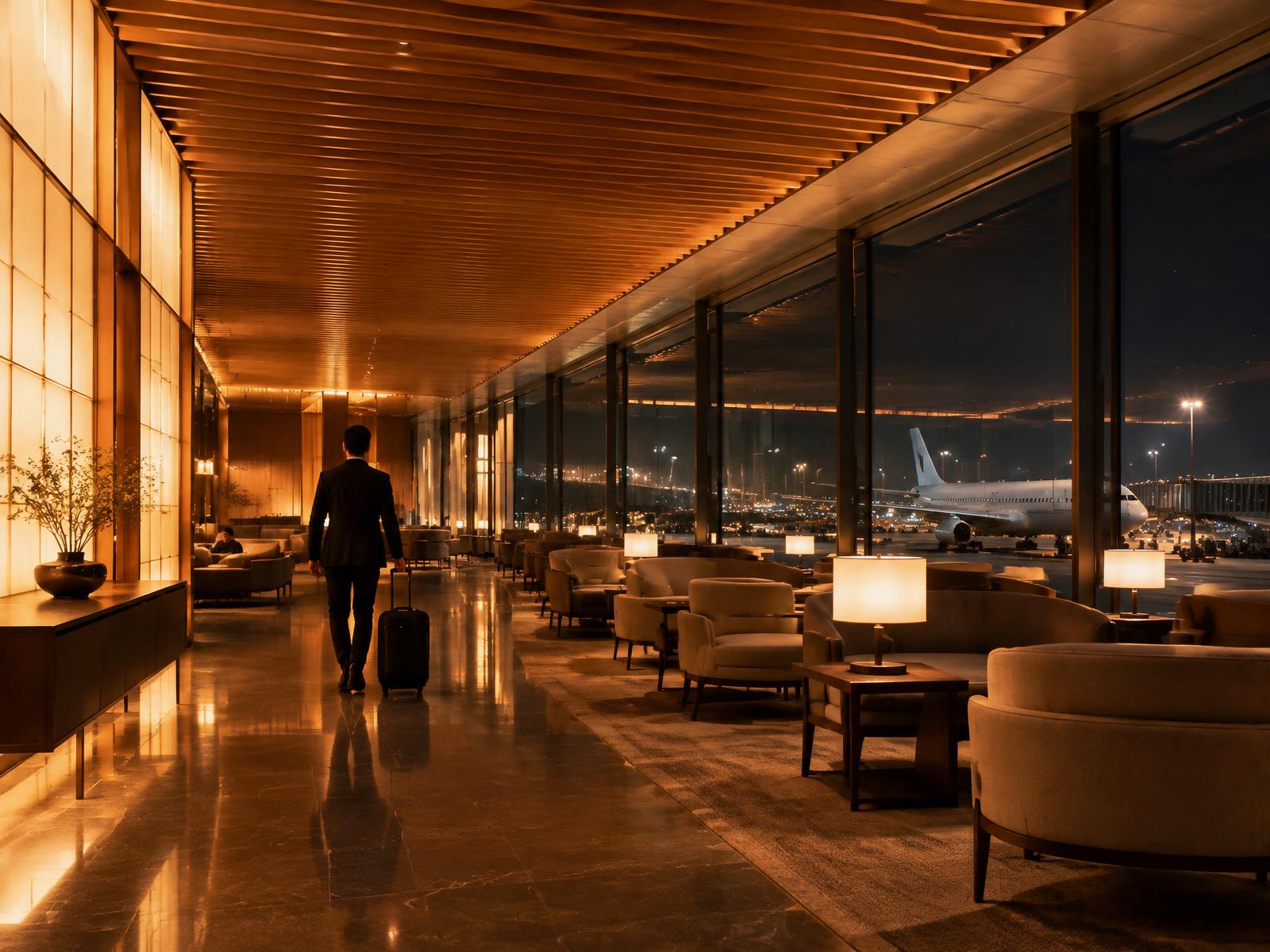
Imagining a passenger journey shaped by light, space and Japanese hospitality.
Read article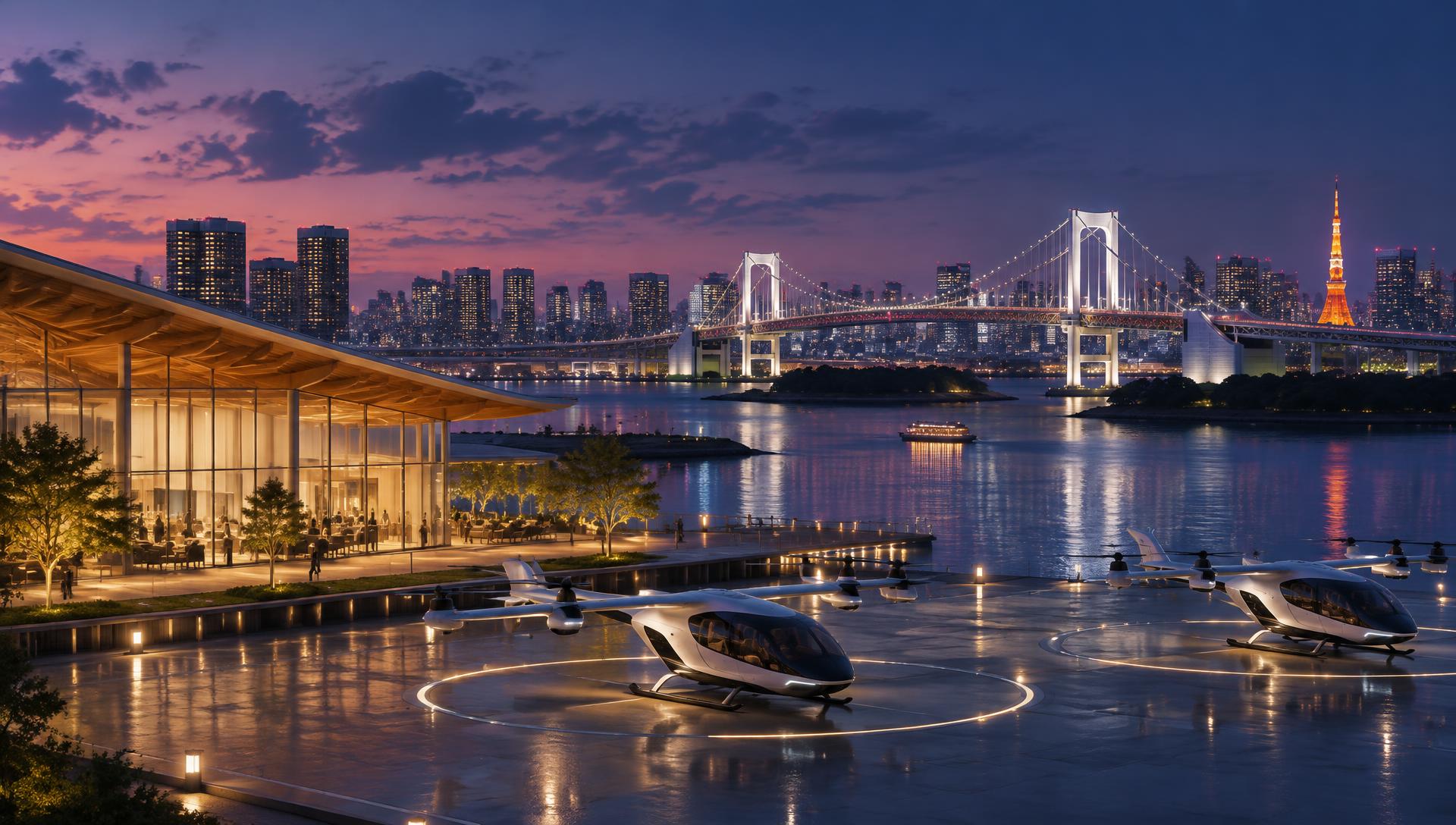
How a place-led digital identity can give an emerging idea a recognisable home.
Read articleRecent Japanese feasibility studies and infrastructure planning point toward regional networks, but announced targets are not commercial air taxi services.
Read article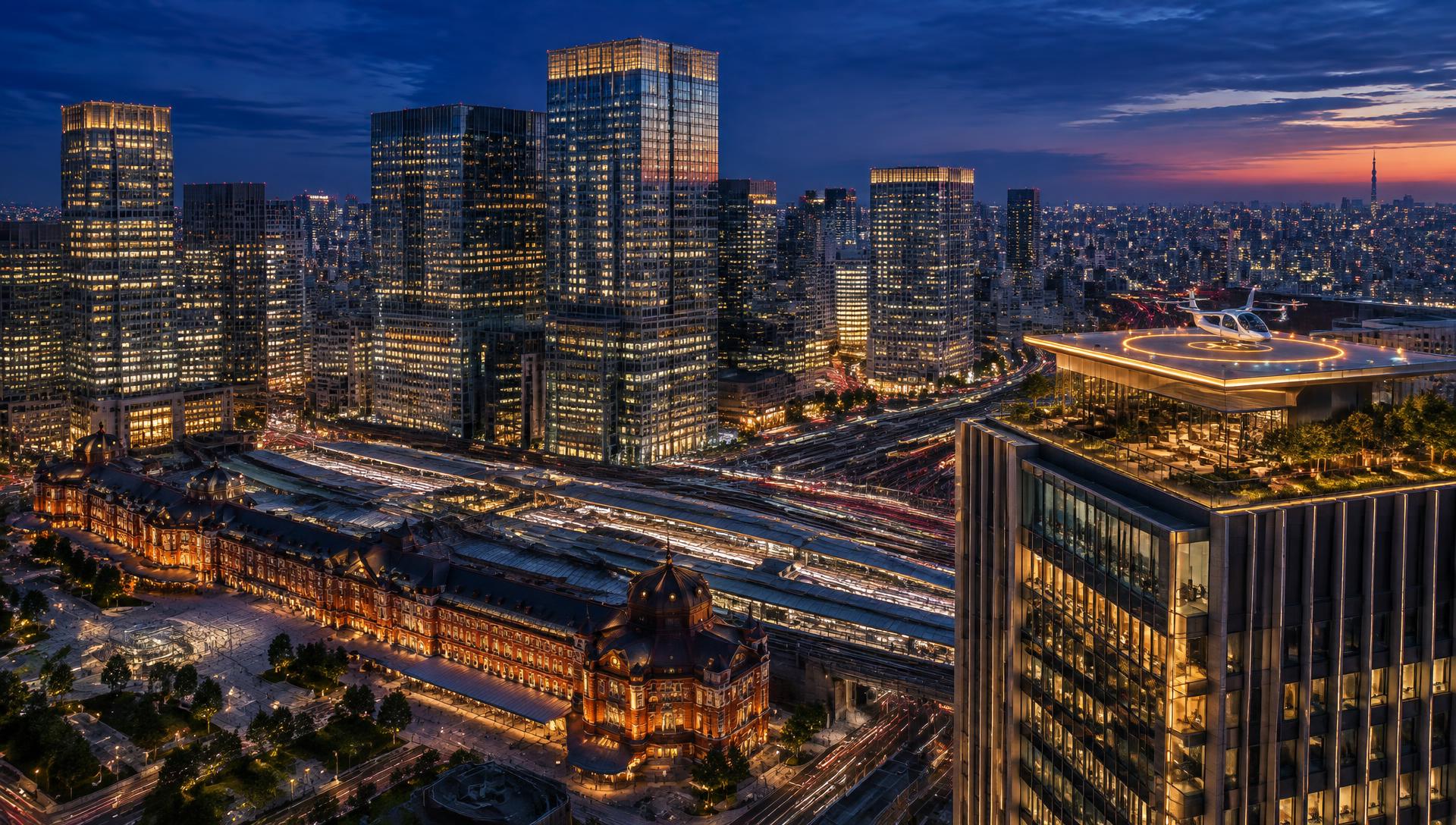
Measured flyover data, community-response research and planning rules all point the same way: a quieter aircraft that still needs careful siting.
Read article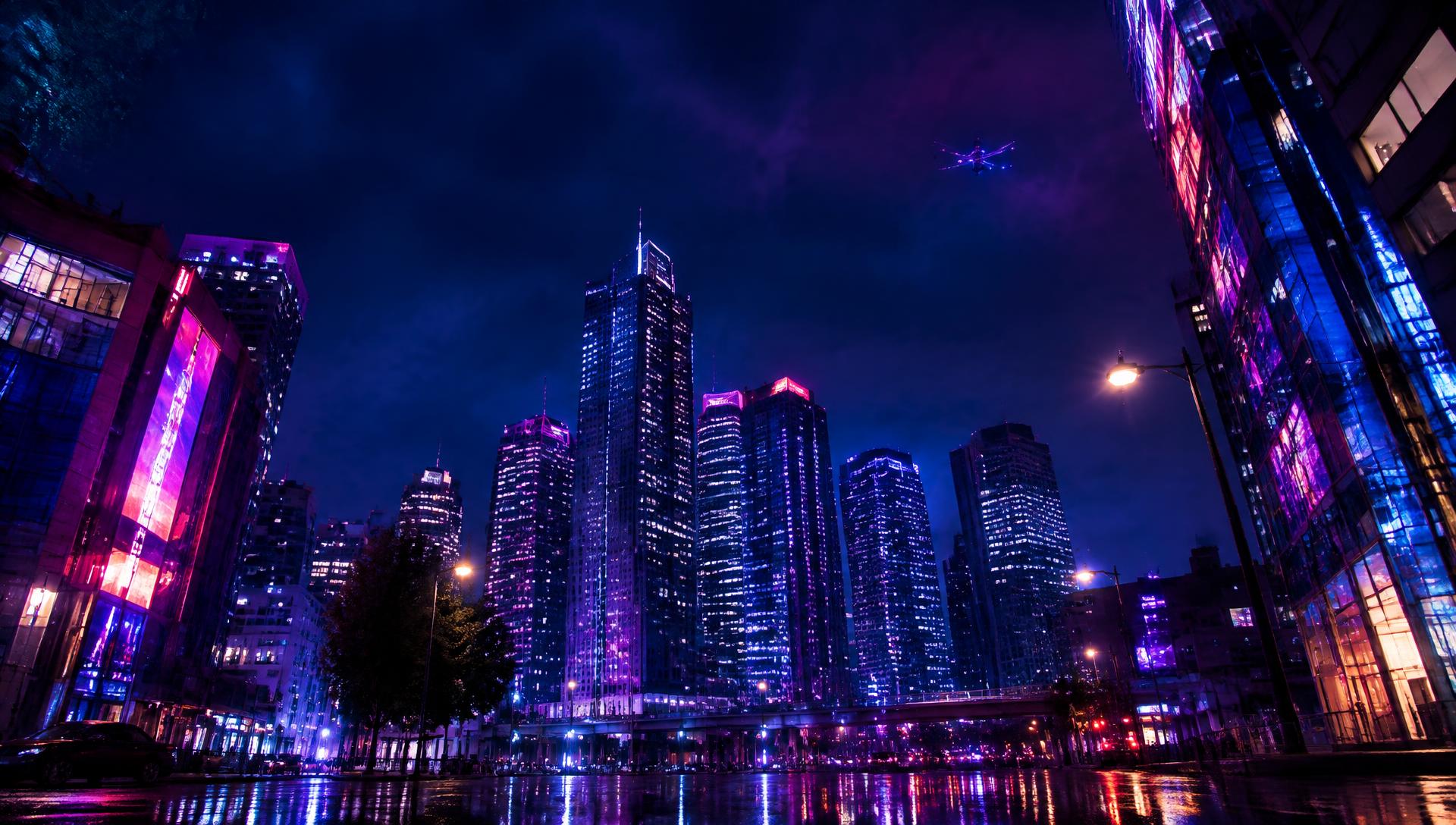
Developers are paying rent for rooftops and building vertiports at major destinations—but no independently verified valuation premium exists yet.
Read article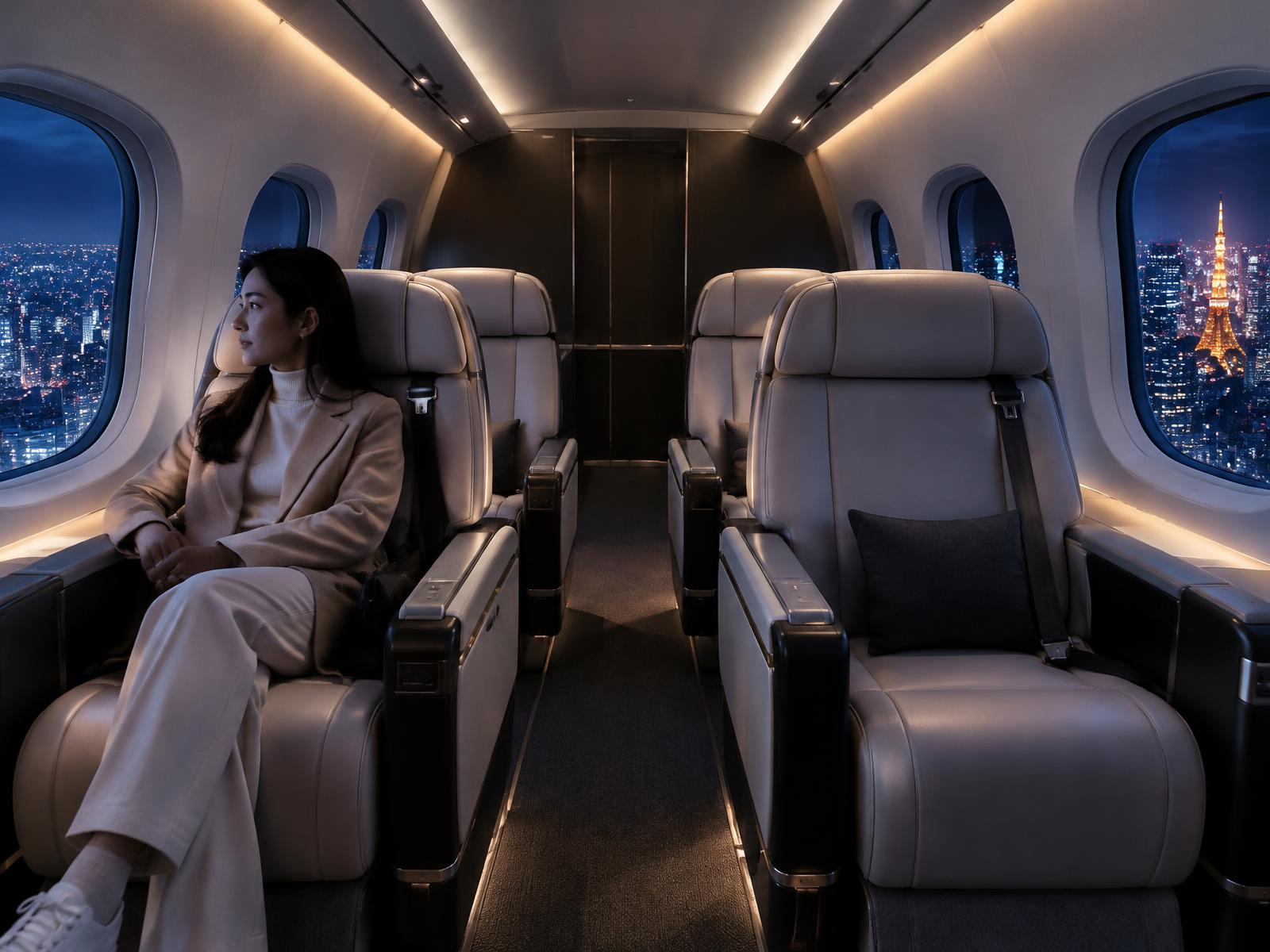
Type certificates, operating rules and pilot programmes are converging—slowly. Where Joby, Archer, Vertical, EHang and the rest actually stand.
Read article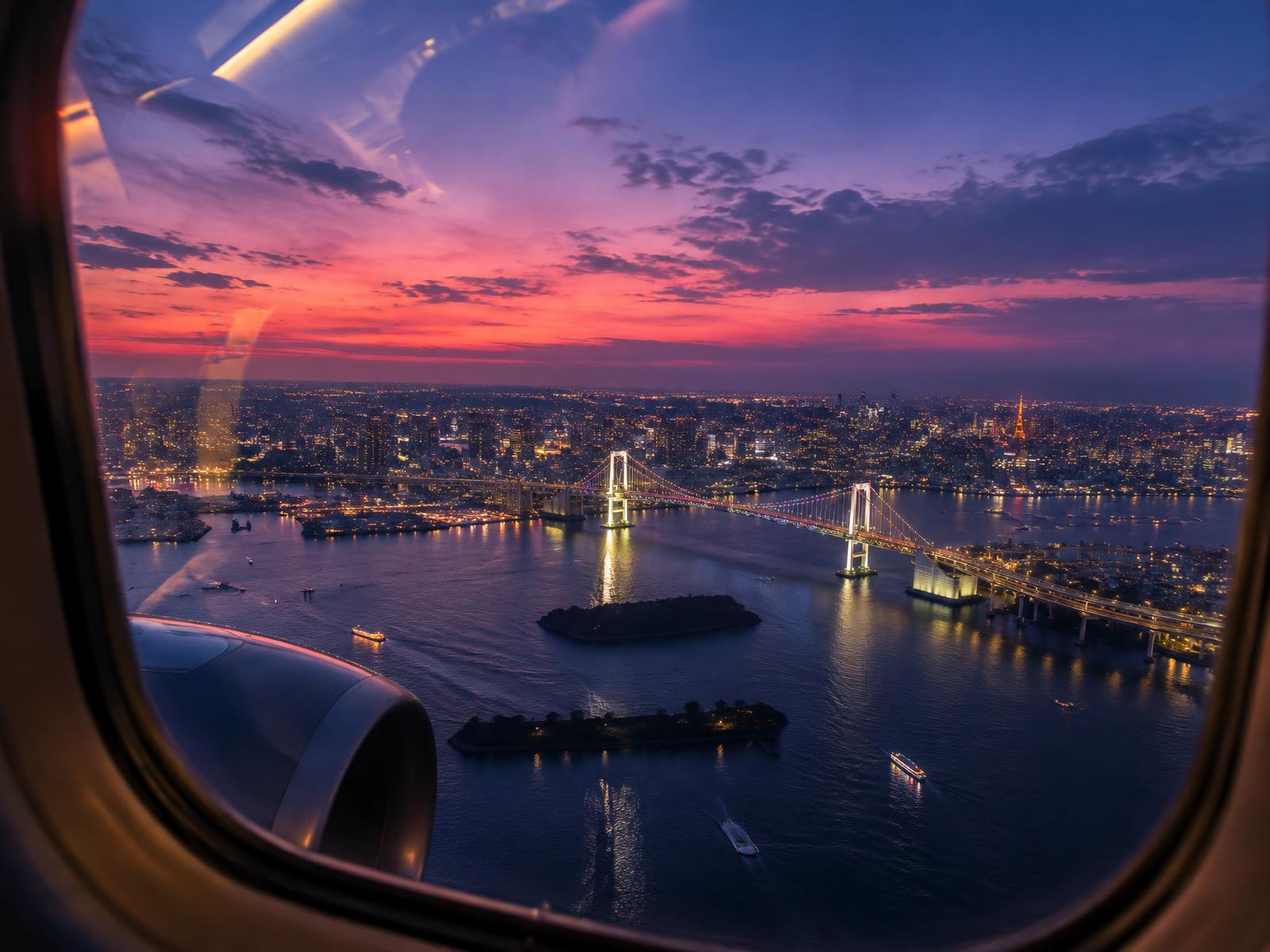
Central Tokyo to Narita in about 15 minutes, taxi-comparable pricing, Kansai postponed to FY2028. The announced plans—and the difference between a route and a ticket.
Read articleSkyports plans a vertiport integrated within the Wynn resort as Ras Al Khaimah moves toward a four-site air taxi network. What the September 2026 agreement does—and does not—confirm.
Read articleA mischievous 2045 daydream: the ten most romantic places to hover over Tokyo with someone you love—and the fine print that keeps it, for now, a fantasy.
Read article