Architecture3 min read
A station for the sky
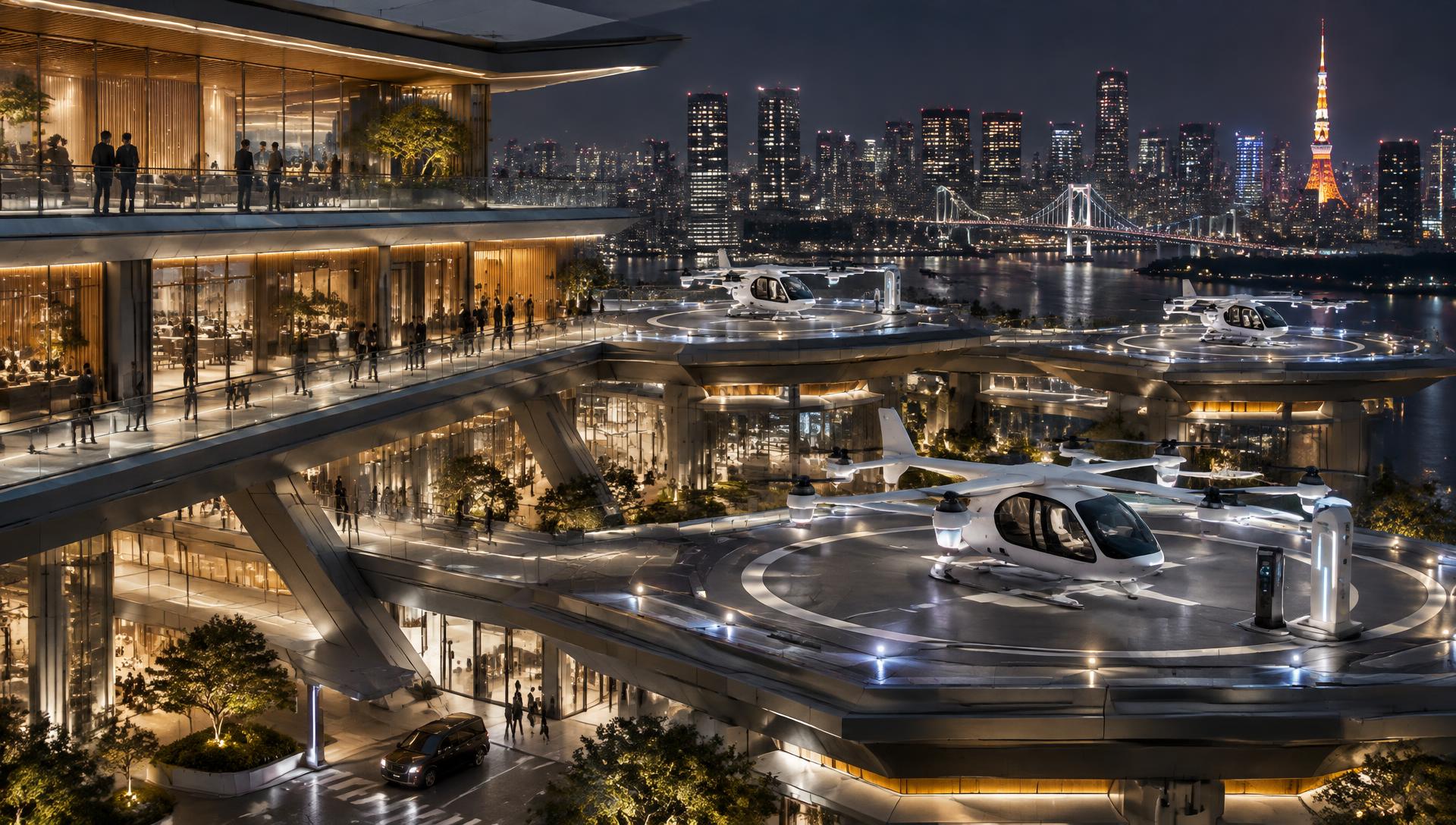
What if a rooftop connection felt as familiar as stepping onto a railway platform?
Read articleReal estate & vertiports · 5 min read
Developers are paying rent for rooftops and building vertiports at major destinations—but no independently verified valuation premium exists yet.
VERTISTATION.TOKYO Editorial
Sources reviewed
Share article
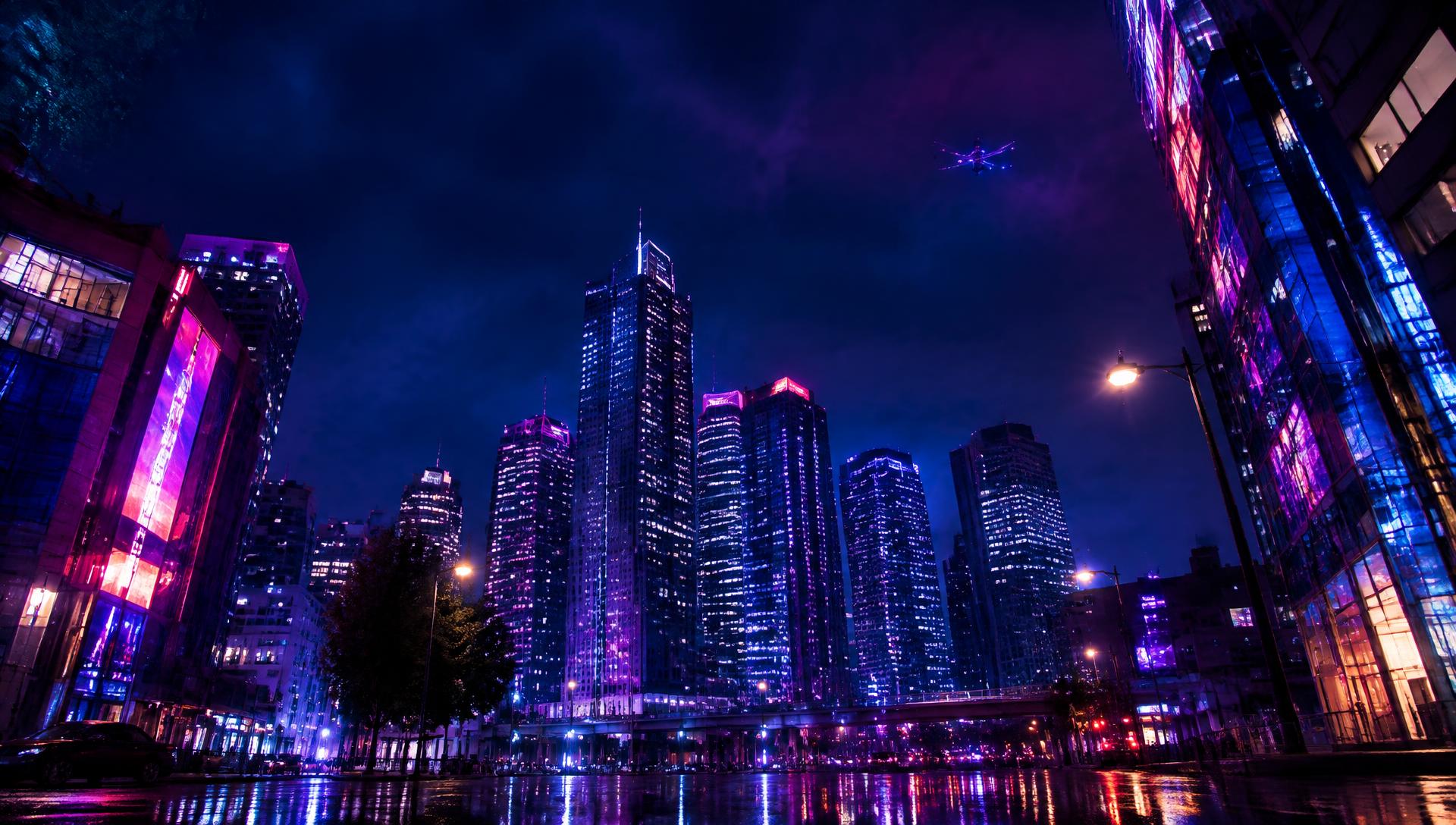
The idea of monetising roofs is not new. In 2018 Skyports said it had secured rights to fifteen London rooftops—office buildings, multi-storey car parks and railway stations—offering to cover infrastructure design, planning and construction costs and to pay landlords rent. More recent landlord-facing proposals describe rent linked to takeoffs and landings or a share of sales, alongside developers covering build and operating costs.
What no source yet provides is evidence of a building-value premium: no published appraisal study, transaction set or controlled comparison showing what a vertiport does to capital values, office rents or tenant retention. Property advisers should also keep separate figures separate—JLL’s reported uplift of roughly 4% applies to contracted rooftop solar leases, a different asset from an aviation facility.
Mitsui Fudosan announced in June 2025 the launch of a vertiport development-and-operation business, initially focused on the Tsukiji district development in Tokyo and Ise-Shima, working with Toyota, Aero Asahi and ANA Holdings, and describing an asset universe that extends beyond rooftops to offices, retail, hotels and parking. In May 2025, Mitsubishi Jisho Design reported the completion of the Gotemba Premium Outlets vertiport—infrastructure delivered, though not scheduled commercial service.
Operations have been rehearsed too: in February 2026, Mitsubishi Estate, Kanematsu and SkyDrive ran a five-day eVTOL demonstration at Tokyo Big Sight using a vertiport automation system, including public trials of facial-recognition check-in and security screening, with the organisers reporting more than 1,500 observers. Demonstrations answer operational questions; they do not establish a revenue model or a valuation effect.
Elsewhere, the ownership structures are instructive. New York’s economic-development corporation transferred management of the city-owned Downtown Manhattan Heliport to Downtown Skyport, a Skyports–Groupe ADP venture, in April 2025—a public-property concession rather than a private rooftop purchase. Skyports acquired the London Heliport in 2021 and now targets commercial eVTOL operations there with Vertical Aerospace around 2028—a target rather than a schedule.
Dubai’s planned four-node network explicitly links an airport vertiport—reported technically complete in April 2026—with Dubai Marina, Dubai Mall and Palm Jumeirah, connecting aviation to retail, residential and resort destinations. The connectivity thesis is visible in these projects; a measured uplift in the value of adjoining properties is not, at least not yet.
Expert commentary in October 2026 made the constraint concrete: brownfield sites must satisfy approach and departure, obstacle, emergency, planning, fire and environmental requirements, and high-capacity grid connections can drive feasibility as much as the airfield layout itself. A site should not be developed if operational risks cannot be mitigated—however attractive the address.
The property industry is organising around that reality: Cushman & Wakefield was appointed preferred real-estate adviser for a US vertiport rollout in October 2025, mandated to secure long-term ground leases for roughly one-acre sites atop existing parking structures and larger at-grade sites. For owners weighing a vertiport against other rooftop uses, the defensible first step is the one every aviation use requires: an independent feasibility study, with income scenarios that survive contact with capital costs, operations and approval risk.
A dated editorial review, not a live news feed. Announcements and targets are not evidence of operational services; follow the linked sources for subsequent updates.
Market reporting is separate from the fictional Tokyo 2045 vision. This site's images are AI-generated concepts, not photographs of the named projects. No affiliation with the organisations cited is implied.
What if a rooftop connection felt as familiar as stepping onto a railway platform?
Read article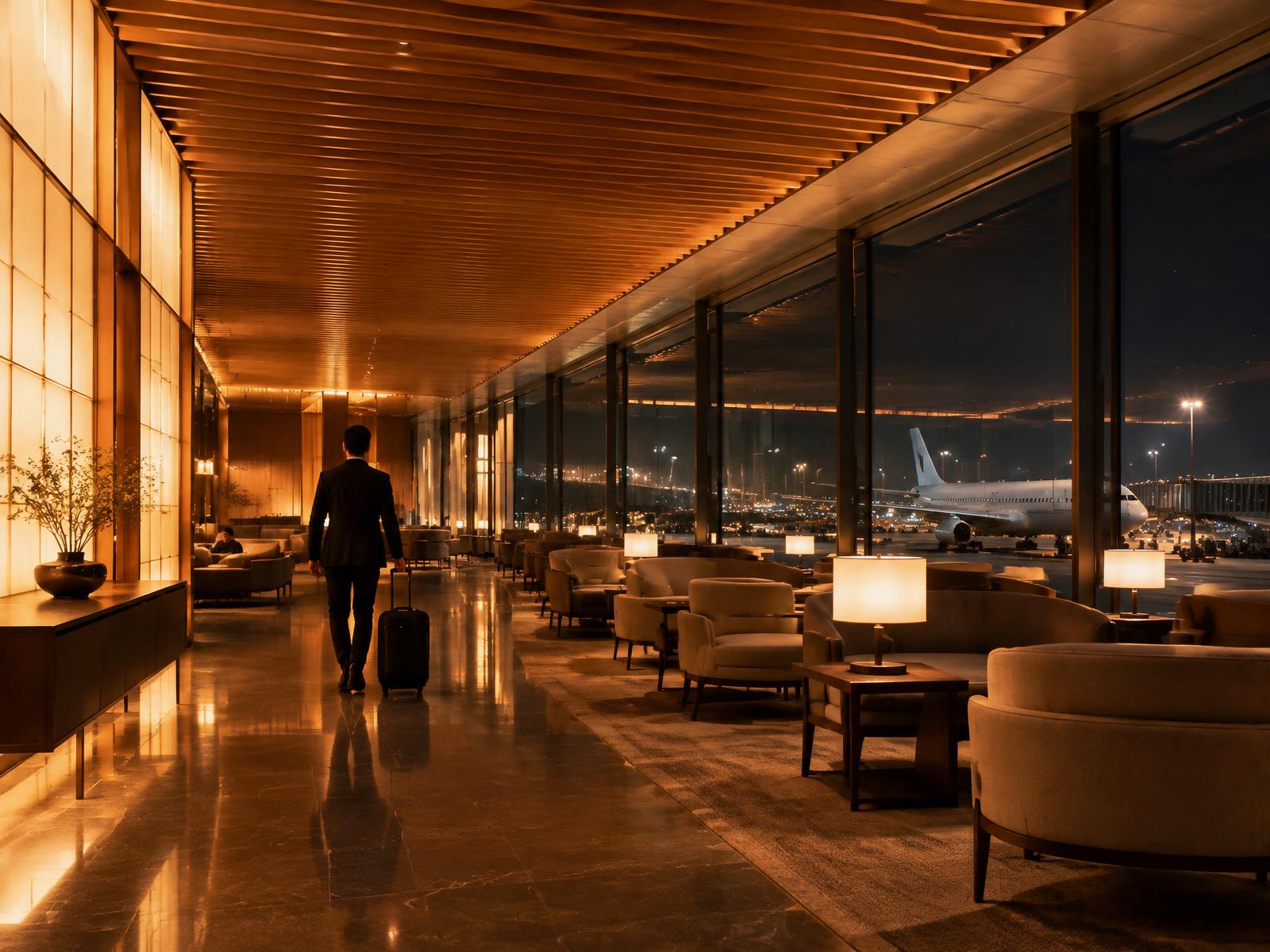
Imagining a passenger journey shaped by light, space and Japanese hospitality.
Read article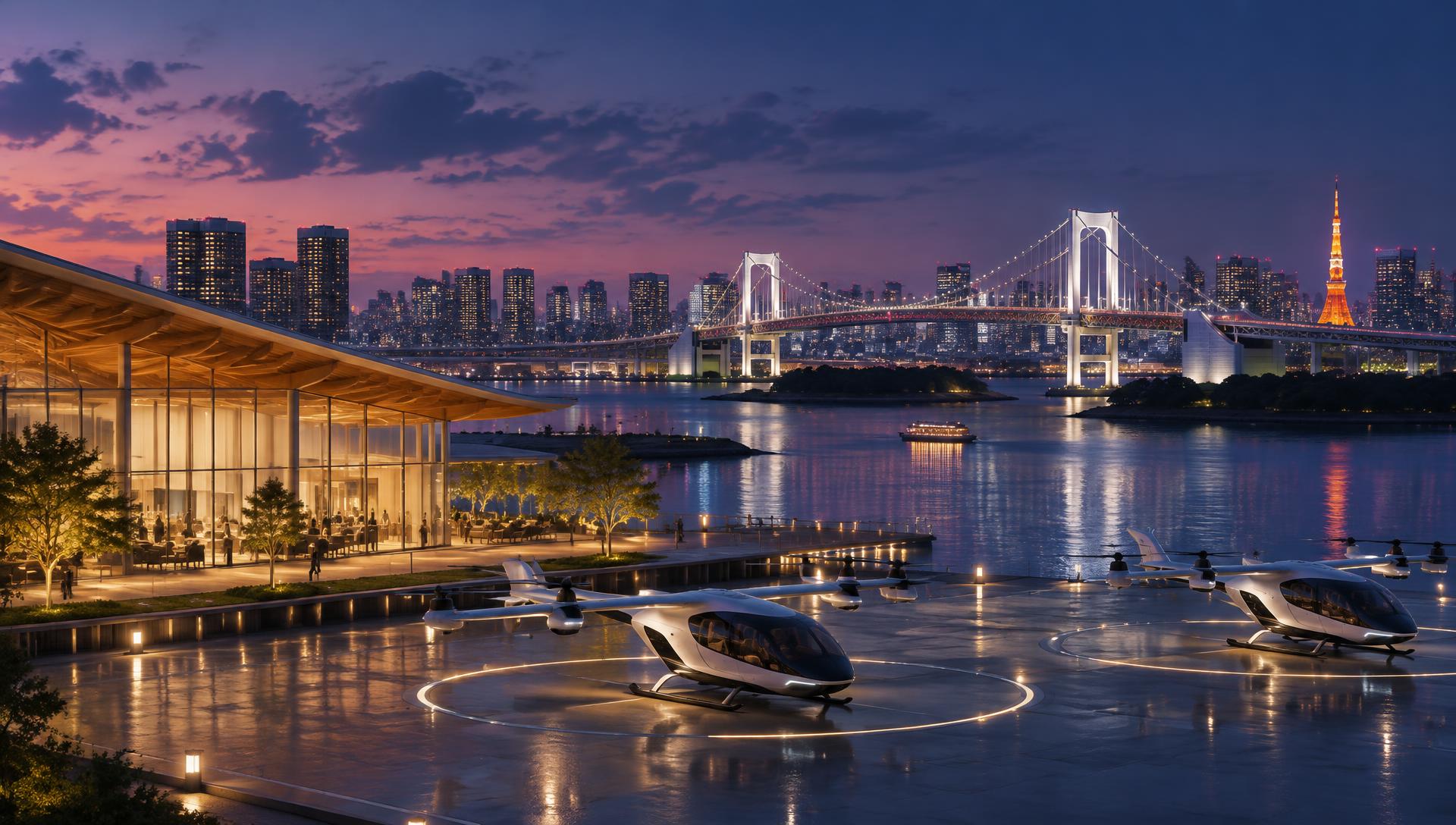
How a place-led digital identity can give an emerging idea a recognisable home.
Read article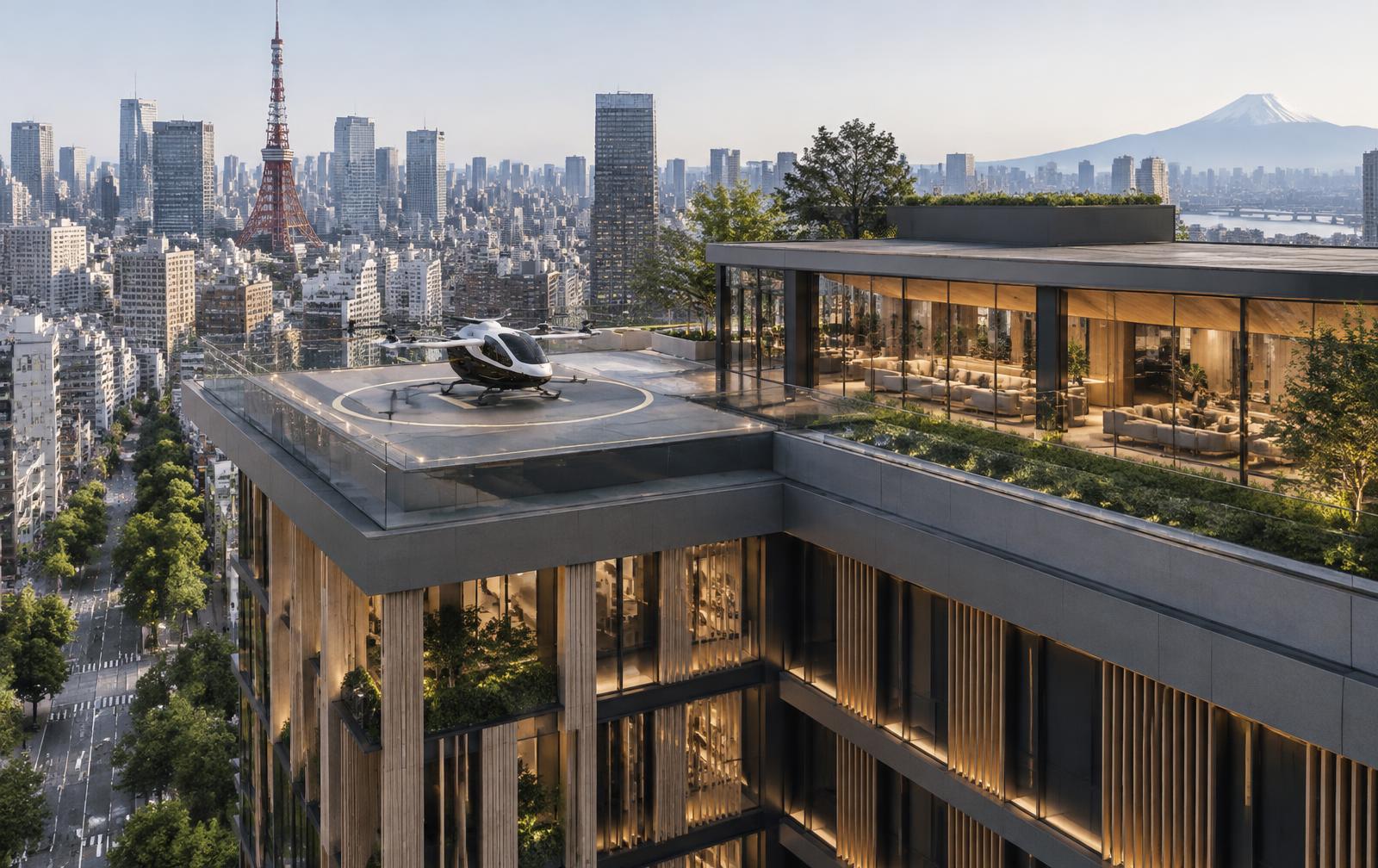
A proposed Wynn resort vertiport and an Ise-Shima feasibility study reveal how hospitality is exploring eVTOL connections—and what remains unproven.
Read articleRecent Japanese feasibility studies and infrastructure planning point toward regional networks, but announced targets are not commercial air taxi services.
Read article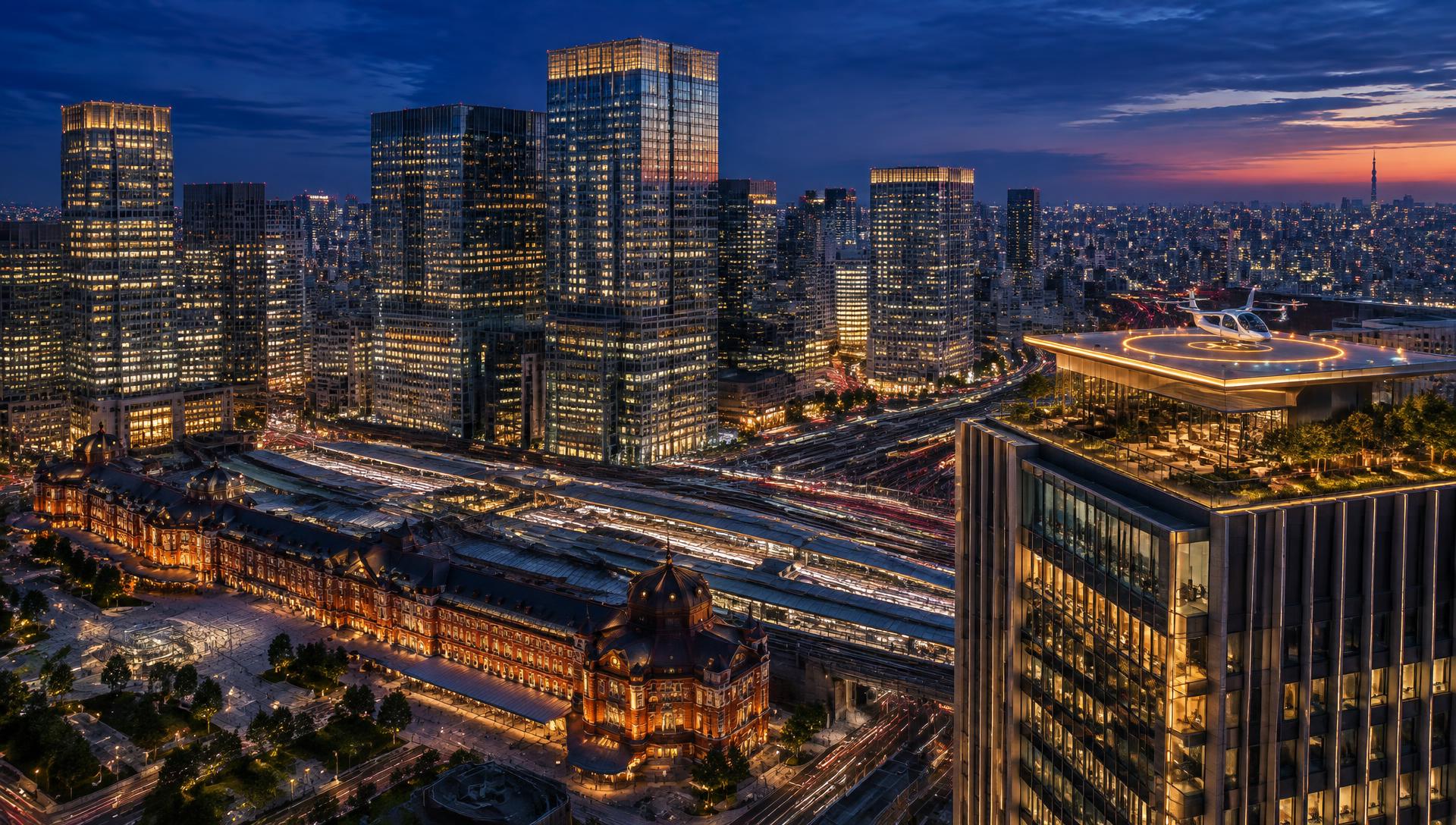
Measured flyover data, community-response research and planning rules all point the same way: a quieter aircraft that still needs careful siting.
Read article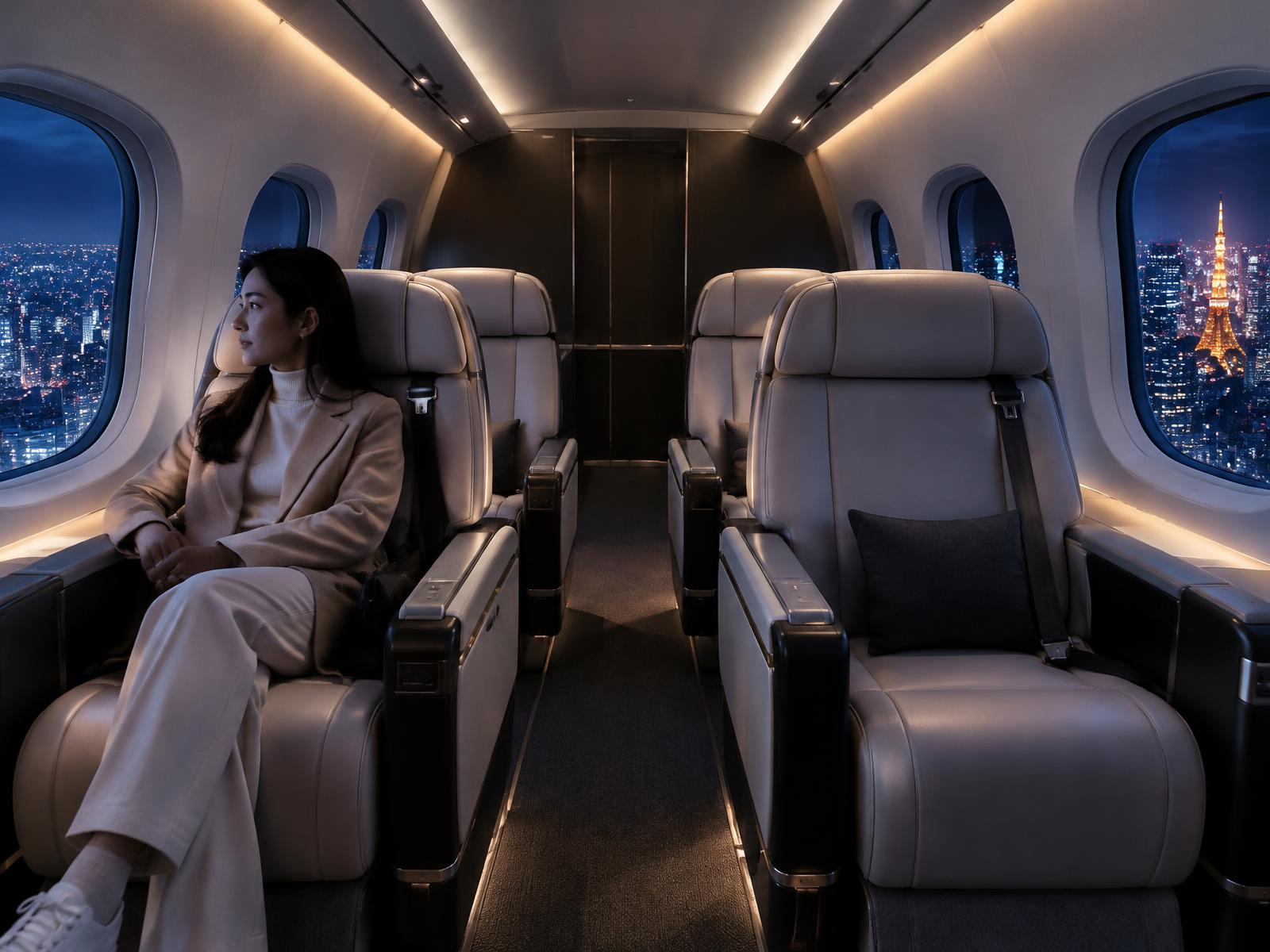
Type certificates, operating rules and pilot programmes are converging—slowly. Where Joby, Archer, Vertical, EHang and the rest actually stand.
Read article
Central Tokyo to Narita in about 15 minutes, taxi-comparable pricing, Kansai postponed to FY2028. The announced plans—and the difference between a route and a ticket.
Read articleSkyports plans a vertiport integrated within the Wynn resort as Ras Al Khaimah moves toward a four-site air taxi network. What the September 2026 agreement does—and does not—confirm.
Read articleA mischievous 2045 daydream: the ten most romantic places to hover over Tokyo with someone you love—and the fine print that keeps it, for now, a fantasy.
Read article